About Tara Takes A Stand
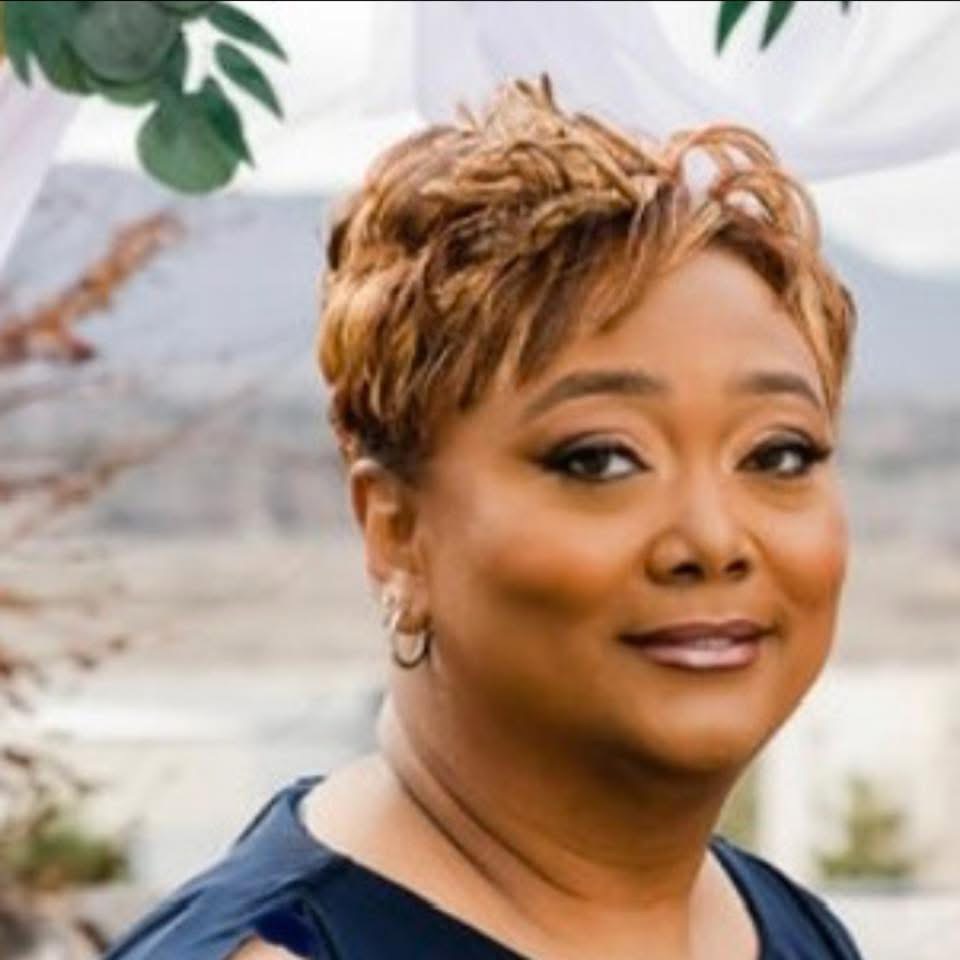
When Everything Changed
In 2020, the sudden passing of my mom changed our lives forever. Nothing in life could have prepared me for that kind of pain. Even now, I’m not sure I can fully put it into words. Along with the grief came anger—anger over what my mom experienced while trying to get a diagnosis and questions about whether things could have been different.
I knew I needed to do something. I just didn’t know what that “something” was. I began questioning nearly every part of my life, including my career and my purpose. Did I need to go back to school and become a doctor so I could help change the healthcare system from the inside? Should I become a researcher and help search for cures? Did I need to go to law school so I could help families when they believed something had gone terribly wrong with the care of someone they loved?
At the same time, my faith was being challenged at one of the deepest levels I had ever experienced. I was trying to figure out how to continue living with this enormous hole in my life.
We often hear that grief and joy can coexist, and intellectually I understood that. Living it was something entirely different.
For what felt like the longest time, I was frozen. The last five months of my mom’s life replayed in my mind over and over like a movie. While the rest of the world continued moving forward, part of me remained right there.
And as I reflected on my mom’s experience, my mind began revisiting other moments in my family’s history—times when loved ones were sick, times when families had difficult decisions to make, questions we didn’t know to ask, conversations that were avoided, and things we simply were not prepared for.
Eventually, I realized this wasn’t only about one part of the experience.
- It wasn’t only about a diagnosis.
- It wasn’t only about healthcare.
- It wasn’t only about grief.
- It wasn’t only about wills, trusts, advance directives, caregiving, financial preparation, advocacy, or what happens when someone dies.
All of those things can intersect during some of the hardest moments a family will ever face. And too often, we don’t talk about them until we are already in the middle of the crisis. That realization became part of the foundation for Tara Takes A Stand…Let’s Talk About It! This podcast was created to have the conversations many of us know we should have—but often avoid.
We’ll talk about healthcare advocacy, wills and trusts, advance healthcare directives, caregiving, grief, estate planning, end-of-life decisions, financial preparation, patient and family rights, healthcare disparities, medical gaslighting, and other issues that can affect individuals and families when life changes unexpectedly. We will also have conversations about the importance of emotional support after.
Some conversations will include professionals who can help us better understand complicated subjects. Others will include people willing to share their own experiences. And sometimes, it will simply be me talking honestly about lessons I have learned—and am still learning.
I don’t have all the answers. However, I know how to bring the resources together and make them available to all of you. The purpose of the podcast is to provide information, is to ask questions, encourage conversations, and help people think about things they may not have considered before they are forced to make decisions during one of the most difficult moments of their lives.
If one conversation helps someone ask another question…
If one episode encourages a family to finally sit down and talk…
If one person learns how to better advocate for themselves or someone they love…
Then these conversations matter. My mom’s story will always be part of why I started. But Tara Takes A Stand…Let’s Talk About It! is about all of us.
Because life can change without warning. And some conversations are simply too important to keep putting off.
Let’s talk about it!
Why Advocacy Matters
I have a great deal of respect for the medical community. My mom was a retired Registered Nurse who also served in the U.S. Army Reserve Nurse Corps, so healthcare was very much a part of our family.
At the same time, we cannot ignore the fact that disparities in healthcare still exist, including differences in how African American patients are heard, diagnosed, treated, and supported. While progress has been made, there is still much more work to do.
After my mom passed away, I spent years trying to figure out how I could best use her story to help others. Over time, I realized her experience was not the only story I carried. There was also my grandmother’s story, the experiences of other family members, and the stories people began sharing with me when I talked about what my family had gone through.
A common theme kept emerging. Too many people did not know how to advocate for themselves in a healthcare setting. Some did not have someone who could advocate for them when they were unable to speak for themselves. Others described leaving medical appointments frustrated because they felt their symptoms had been minimized, dismissed, or not fully understood.
Those conversations helped me realize that advocacy is not simply about speaking louder. It is also about knowing what questions to ask, understanding your options, documenting what is happening, recognizing when something does not feel right, and knowing when to seek another opinion.
And sometimes, it means being prepared to advocate for someone you love when they cannot advocate for themselves. That is one of the reasons healthcare advocacy will remain an important part of Tara Takes A Stand…Let’s Talk About It!
My goal is not to tell people to distrust doctors or the medical community. It is to encourage people to become informed, engaged participants in their own healthcare—and to feel empowered to ask questions, seek clarity, and speak up when they believe something is being overlooked.
Because your voice matters.
And sometimes, asking one more question can make all the difference.
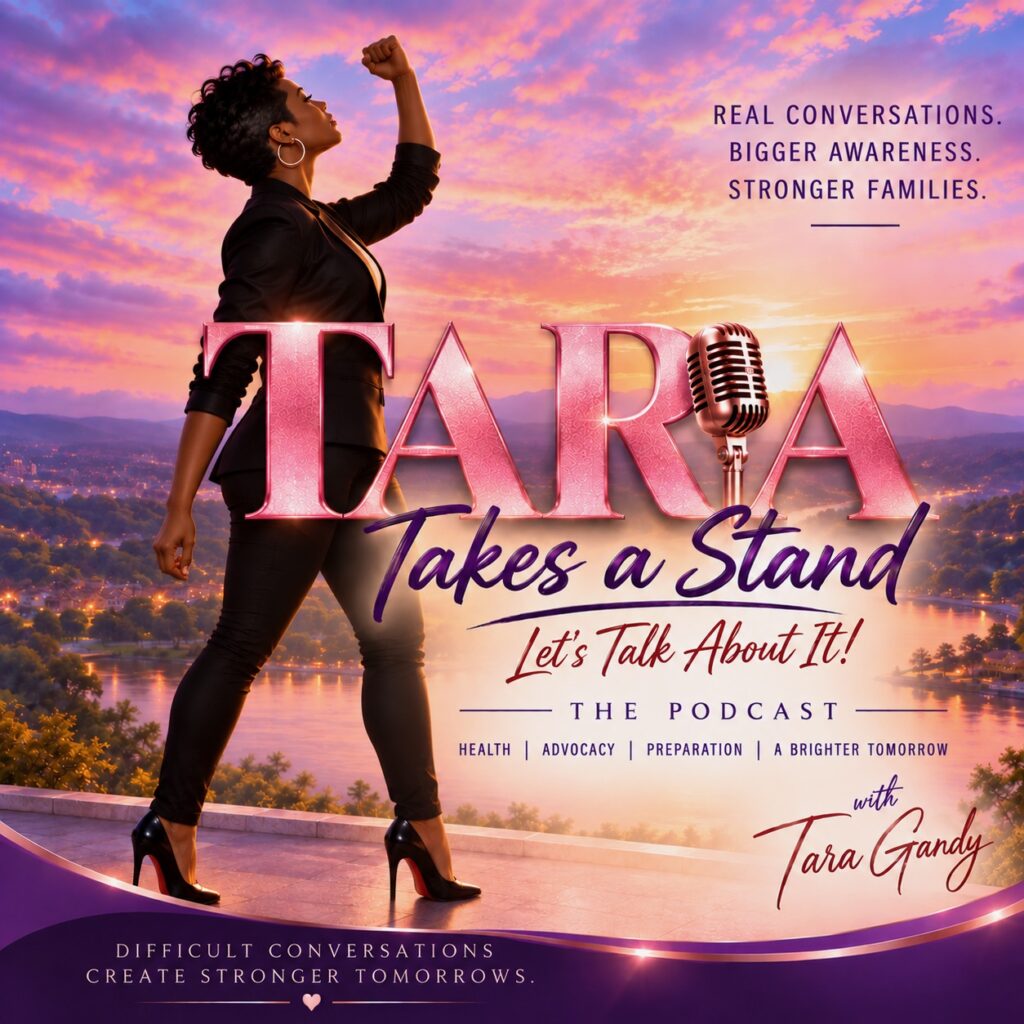
How Tara Takes A Stand Began
After considering many different ideas, I began to feel that I was being led to start a podcast. There are so many difficult conversations people often avoid—illness, death, grief, wills, end-of-life decisions, caregiving, life insurance, healthcare advocacy, and the many other decisions families may suddenly find themselves facing.
In the African American community, those conversations can be even more complicated. Our history has contributed to a deep and understandable distrust of the medical system, and cultural beliefs and long-standing superstitions can sometimes make already difficult topics even harder to discuss.
By the end of 2022, I knew I had to move forward with the podcast. At one point, someone suggested the name Tara Stands. But as the idea continued to develop, the name evolved into Tara Takes A Stand. And the more I thought about it, the more the name made sense. I am taking a stand for having more conversations. A stand for more informed patients and families. A stand for asking more questions, seeking clarity, and learning how to advocate for ourselves and the people we love.
A stand against the barriers that keep people from getting the information they need—whether those barriers come from healthcare disparities, distrust, fear, misinformation, cultural beliefs, or simply not knowing where to begin.
Tara Takes A Stand…Let’s Talk About It! was created to make room for those conversations. The hard ones. The uncomfortable ones. The necessary ones.
Because avoiding these conversations does not make the decisions disappear. It only means we may be forced to make them when we are least prepared. So we’re going to talk about them.